English
 中文
中文 日本語
日本語 한국어
한국어 français
 Deutsch
 Español
 italiano
 русский
 português
 العربية
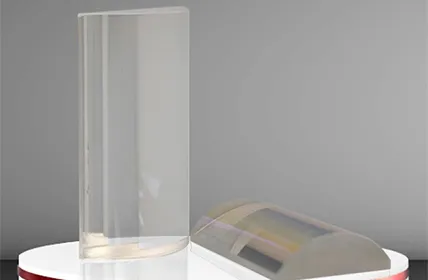
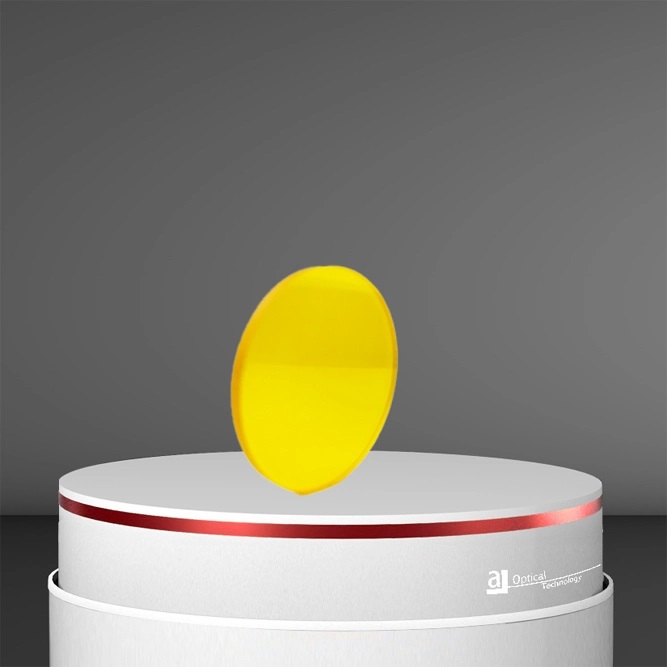
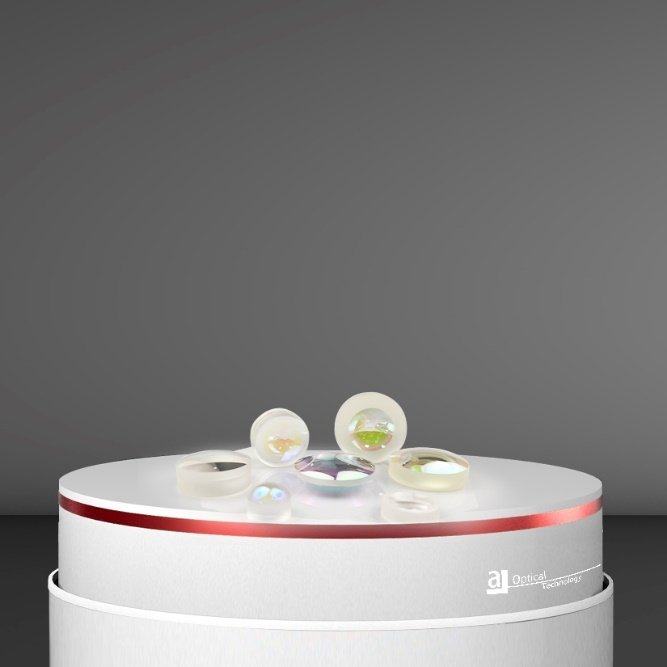
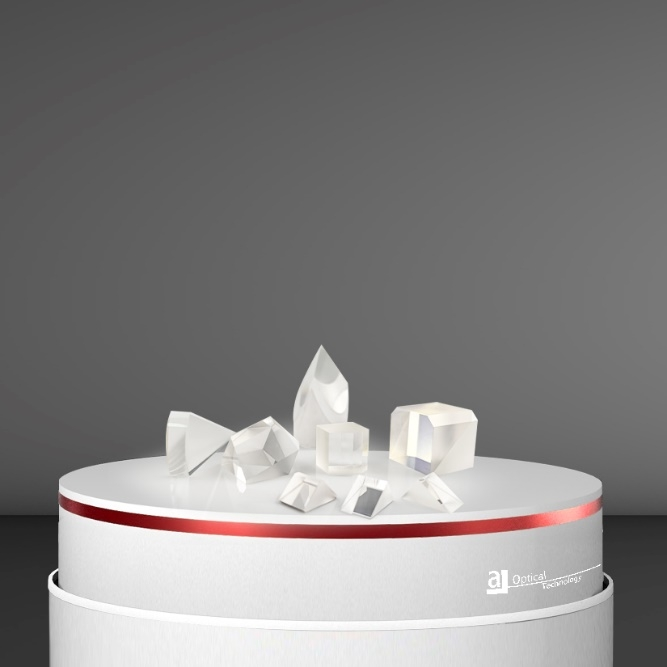
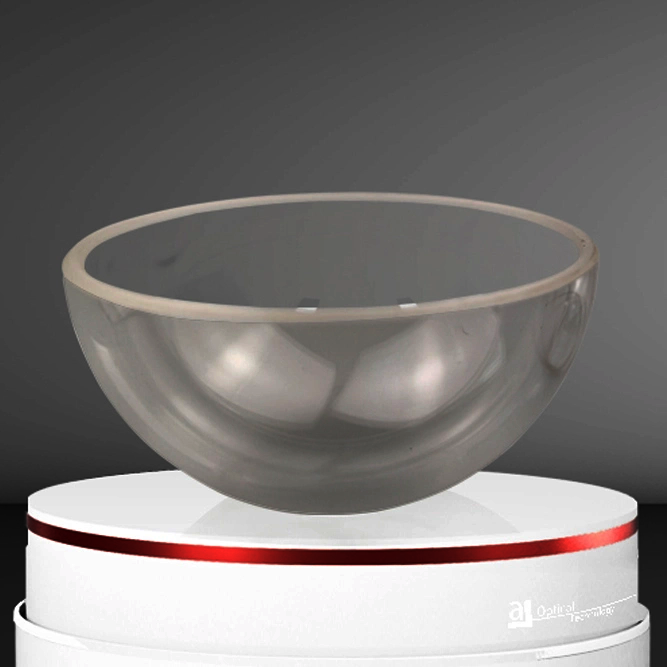
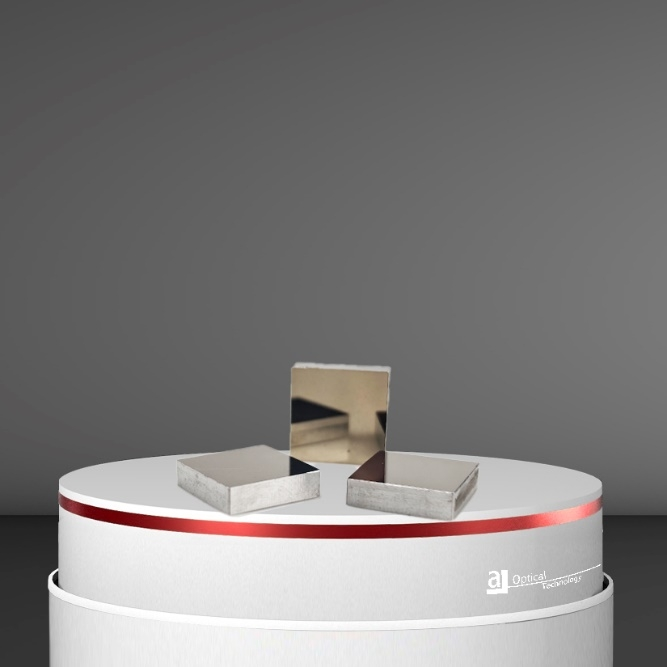
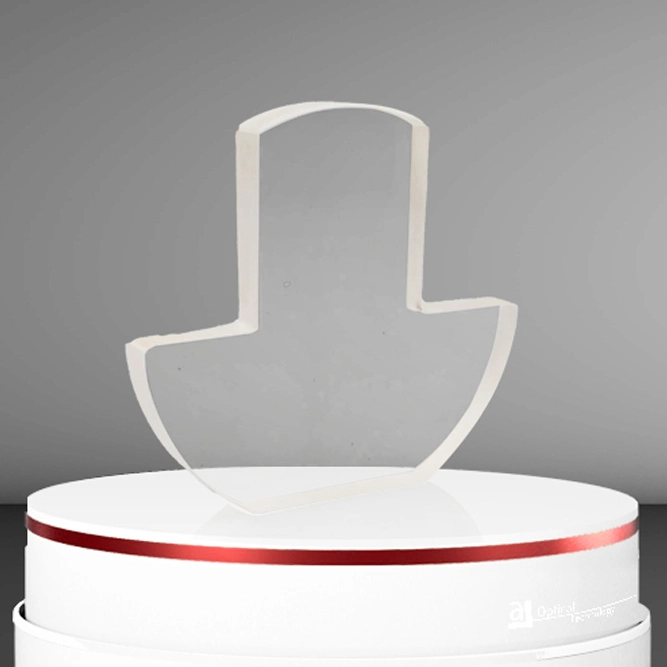
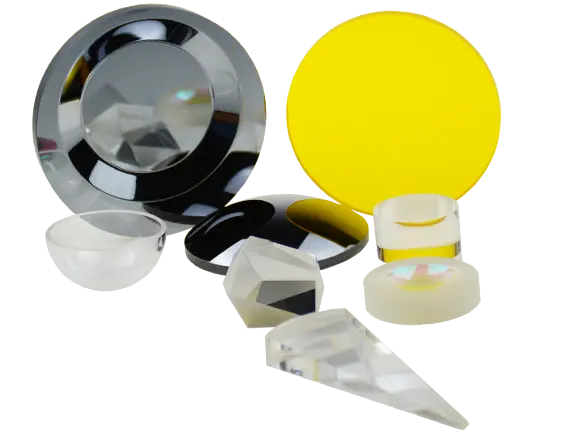
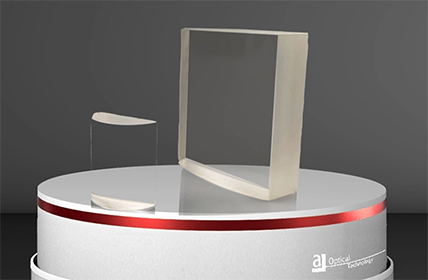
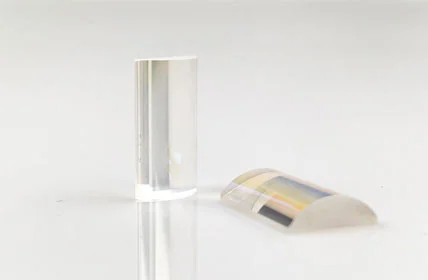
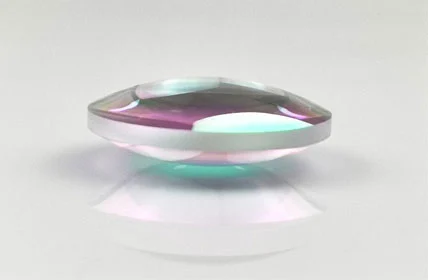
In the field of precision optics, custom optical components refer to optical elements that are designed and manufactured according to specific requirements rather than standard catalog options. These components are essential when standard lenses, mirrors, or filters cannot meet the optical system's performance or environmental demands. They allow engineers and designers to achieve unique focal lengths, wavelengths, or beam profiles that are critical for specialized instruments. At Atoptical, precision and consistency in custom optical components ensure that every component—from lenses and prisms to coatings and substrates—meets the highest optical and mechanical standards required in industries such as aerospace, medical imaging, laser processing, and scientific research. The ability to create custom optical components enables system designers to reach higher levels of accuracy, light transmission efficiency, and stability that generic products simply cannot provide.
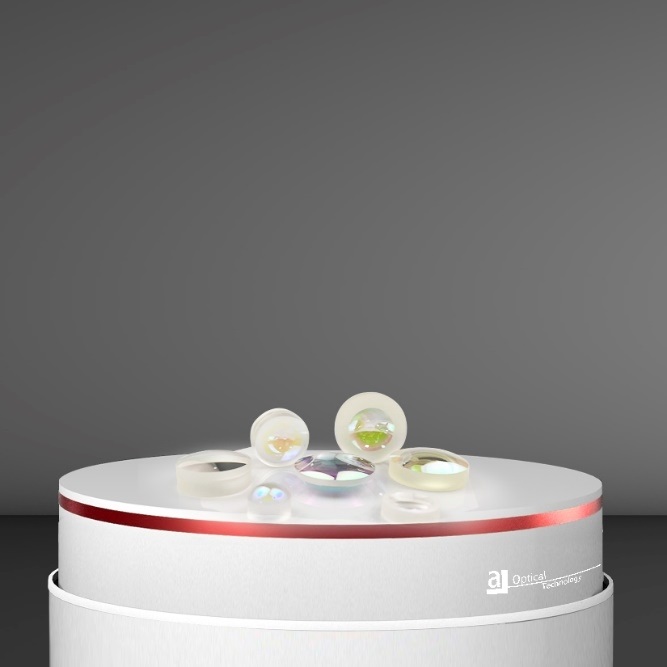
When designing custom optical components, several factors must be carefully considered to achieve optimal performance. Material selection is one of the first and most crucial decisions, as different optical glasses, crystals, or plastics have unique refractive indices, thermal properties, and transmission ranges. The choice depends on the application's wavelength requirements—ultraviolet, visible, or infrared—and the mechanical and environmental conditions the component will face. The surface accuracy and coating design also play a critical role; even a minor surface error can cause wavefront distortion or reduced transmission efficiency. Coatings such as anti-reflective or beam-splitting layers must be optimized for the operational wavelength range. Atoptical focuses on controlling surface precision, flatness, and coating uniformity, ensuring that each custom optical component integrates seamlessly into the optical path without introducing unwanted aberrations or energy loss.
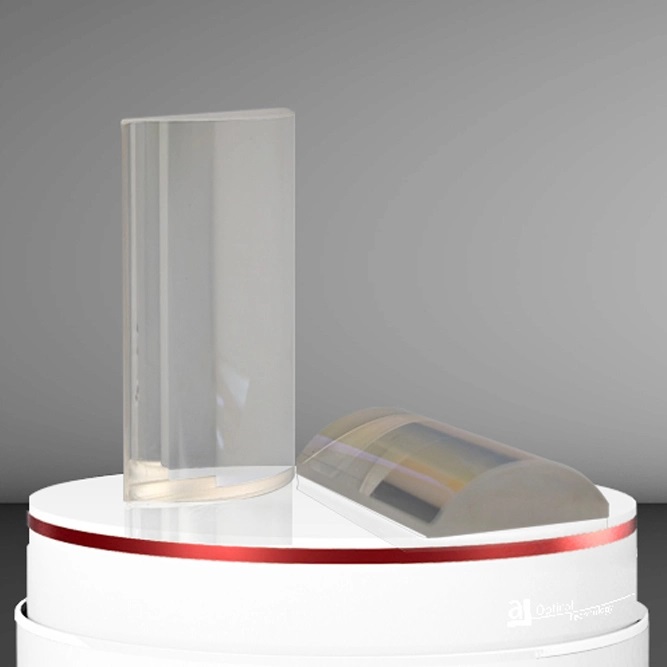
Achieving precision in custom optical components relies on both advanced design tools and meticulous manufacturing control. Optical designers use modeling and simulation software to predict light behavior through complex systems, allowing them to fine-tune geometry and coating layers before fabrication. During production, precision polishing, grinding, and alignment techniques are used to ensure each component meets the desired tolerance levels. Measuring instruments such as interferometers, spectrophotometers, and coordinate measuring machines verify dimensional and optical accuracy. The final inspection ensures that every optical component meets the required surface figure, roughness, and coating specifications. Atoptical employs strict quality control throughout the production cycle to guarantee that its custom optical components perform reliably in even the most demanding applications, where alignment accuracy and optical purity directly affect system performance.
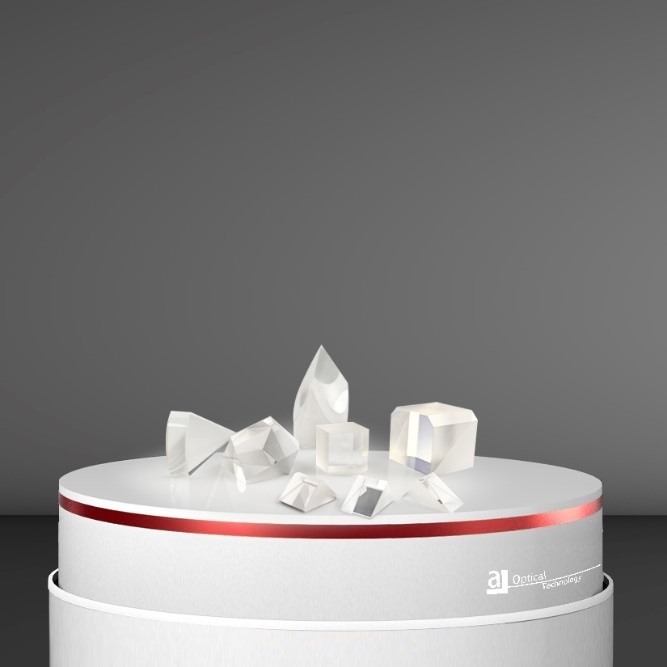
Aspect | Standard Optical Components | Custom Optical Components |
Design Flexibility | Limited to catalog specifications | Fully customizable to application needs |
Performance Optimization | General-purpose performance | Tailored for specific optical parameters |
Coating Options | Predefined, limited coatings | Designed for wavelength and environment |
Production Lead Time | Shorter but less precise | Longer but offers greater precision and fit |
Application Suitability | Best for general or educational use | Ideal for professional, industrial, and scientific systems |
The table shows that while standard optics are convenient and widely available, custom optical components provide unmatched precision and adaptability for systems that demand superior performance or operate in unique environments. Atoptical's expertise in optical engineering ensures that customized solutions meet stringent performance goals and are compatible with advanced optical setups.
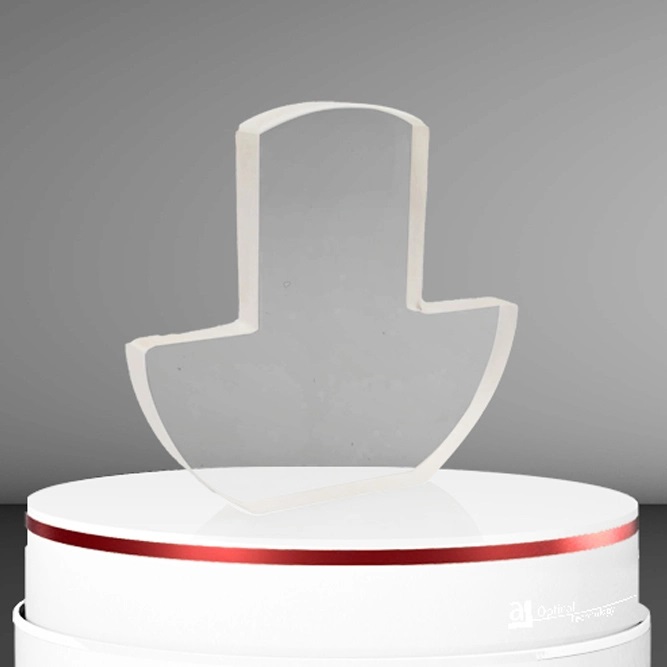
To make the most of custom optical components, close collaboration between optical designers, manufacturers, and system integrators is vital. Clear communication of specifications such as wavelength range, operating temperature, surface tolerance, and coating requirements helps avoid design mismatches. During the prototype phase, iterative testing and measurement allow designers to refine parameters until the component behaves exactly as expected. Environmental and mechanical considerations—like mounting method, vibration resistance, and cleaning—must also be factored into the design. Atoptical recommends that each optical component be integrated with appropriate alignment mechanisms and protective housings to ensure long-term stability and optical precision in various working conditions.