English
 中文
中文 日本語
日本語 한국어
한국어 français
 Deutsch
 Español
 italiano
 русский
 português
 العربية
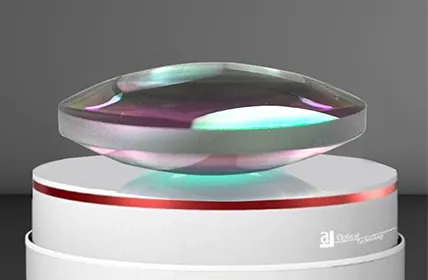
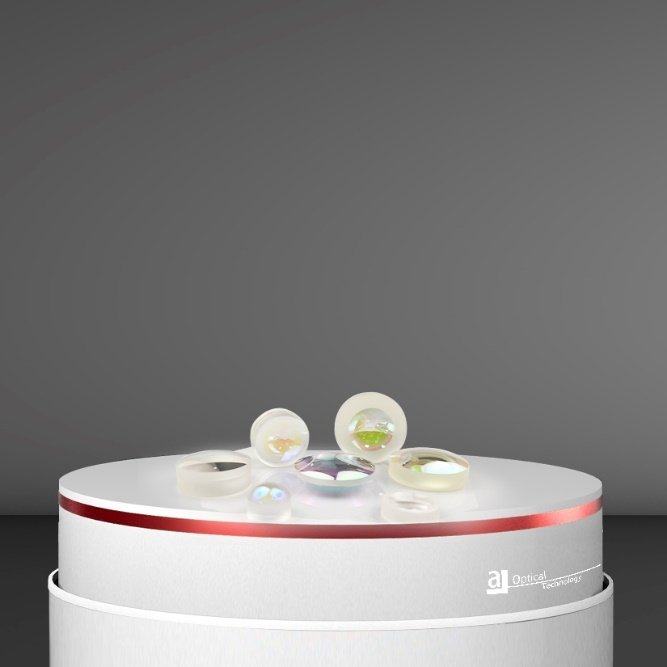
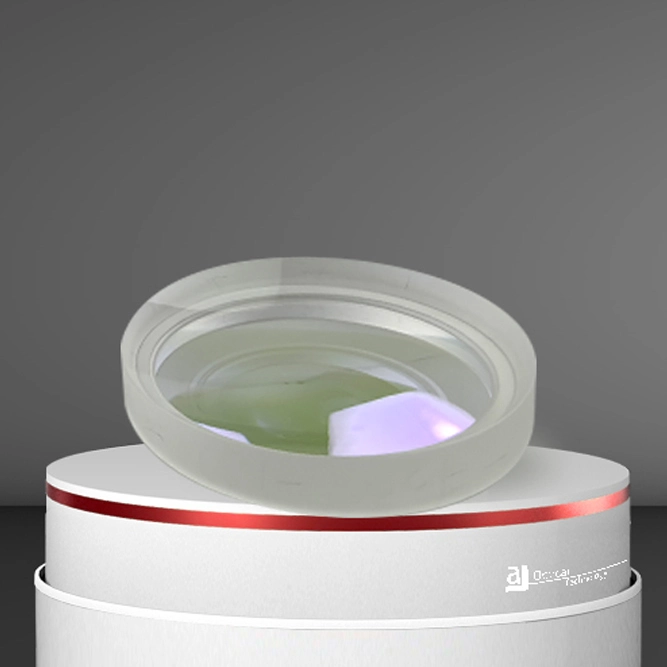
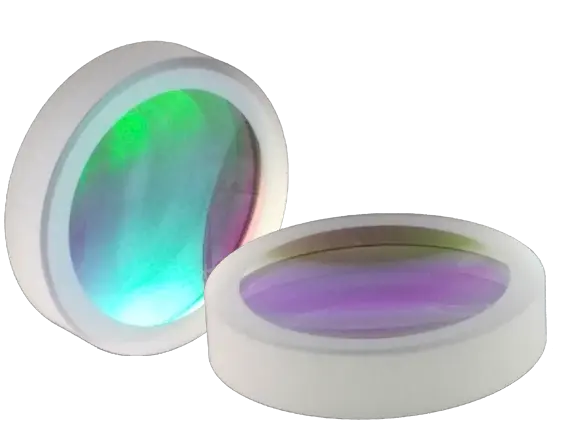
A spherical lens is an optical element whose surfaces are parts of spheres, typically having equal curvature on both sides (or one flat side) to bend and focus light by refraction. In modern optics, the geometry of a spherical lens makes it a foundational component in cameras, microscopes, telescopes, sensors, and laser systems. Because light rays passing through a spherical lens converge to a point (or diverge from it), using a high-quality spherical lens allows optical designs to manage focal length, field of view, and image clarity. At Atoptical, their spherical lens product line emphasizes precision surface accuracy, optimized refractive index, and material purity, ensuring that systems using these lenses can deliver sharper, cleaner images with minimal aberration.
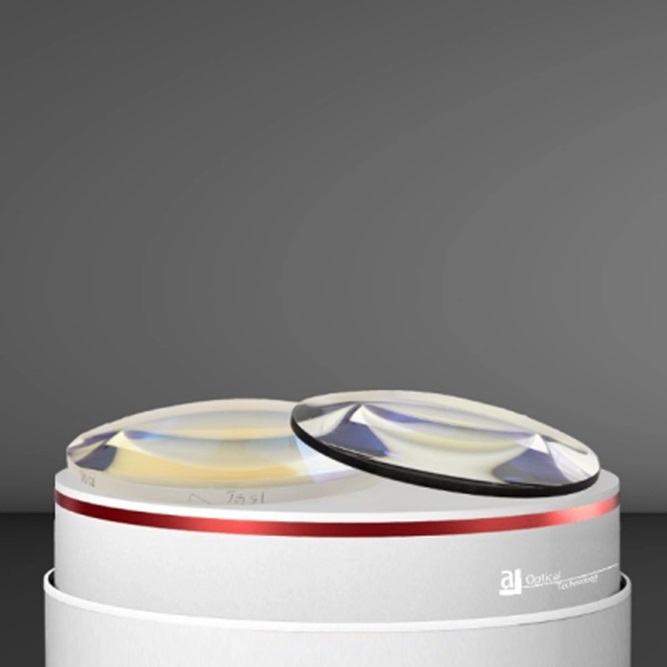
When you choose a spherical lens, you are directly affecting how an optical system handles focus, aberrations, and imaging fidelity. Because spherical surfaces differ from ideal aspheric surfaces, spherical lenses are inherently subject to spherical aberration: rays farther from the axis focus differently than central rays. However, with correct design—such as combining multiple spherical lenses or applying appropriate coatings—these aberrations can be mitigated. A well-engineered spherical lens balances focal length, glass dispersion, and curvature to deliver uniform image quality over a given field. Atoptical's spherical lenses are crafted from optical glass with controlled homogeneity and surface figures, ensuring that light is focused sharply and consistently, enabling better contrast, resolution, and color fidelity in advanced imaging systems.
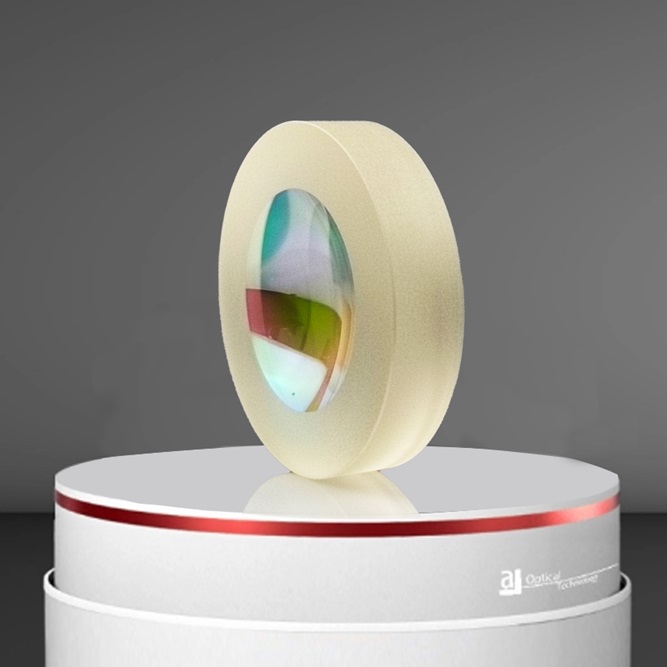
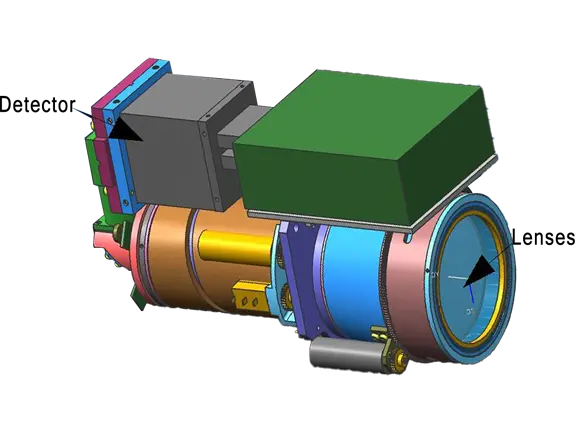
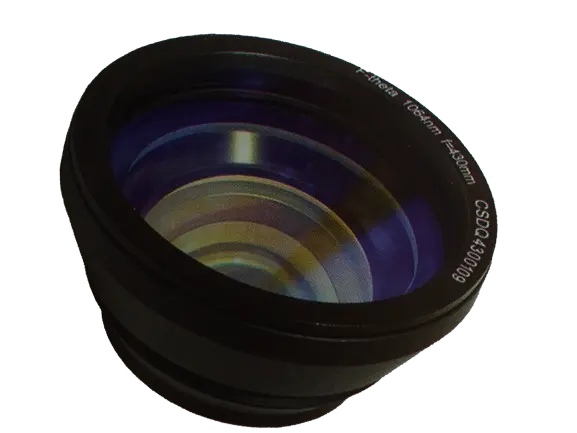
You might wonder: in which fields does a spherical lens still play a key role today? The answer is: in many. Spherical lenses are widely used in photographic lenses, machine vision systems, laser collimators, sensor optics, illumination systems, and scientific instruments. Their versatility makes them suitable for both imaging and beam shaping. Because spherical lenses are relatively easier to manufacture with high precision, they remain cost-effective for standard focal lengths and diameters. Atoptical's spherical lens range supports applications requiring rigorous optical performance, whether in automation, optical metrology, microscopy, or custom optical assemblies. By combining spherical components with other optical components, system designers can achieve complex imaging goals while controlling aberration, size, and alignment complexity.
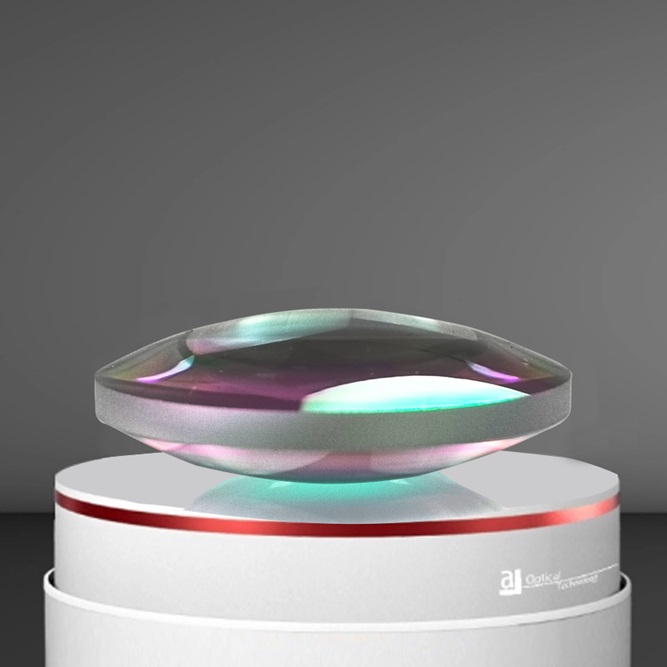
Choosing the right spherical lens requires attention to parameters like focal length, lens diameter, glass material (refractive index and dispersion), surface quality, coating, and mechanical alignment tolerances. The focal length determines how strongly the lens focuses light; a short focal length provides high magnification, while a long focal length gives a narrower field of view. The diameter (or aperture) controls light throughput and depth of field. Materials with different refractive indices and dispersion (Abbe number) influence chromatic aberration, so matching glass types or using achromatic doublets may be necessary. Surface quality (errors, scratches/digs, figure accuracy) directly impacts image clarity. Antireflection coatings reduce stray reflections and ghost images. Atoptical provides spherical lenses manufactured to tight tolerances, with polished surfaces and AR coatings that enhance transmission and minimize artifacts, making them ideal components in sensitive optical designs.
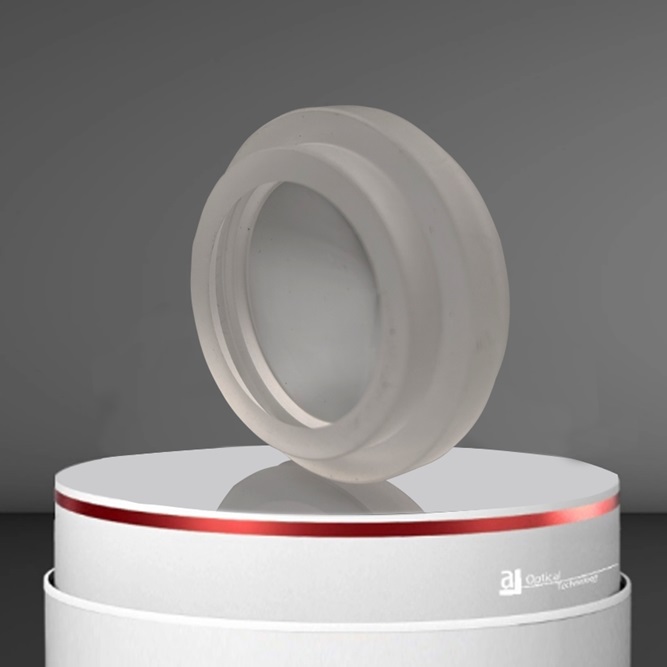
To get the most from a spherical lens, proper mounting, alignment, and handling are key. The lens should be held in stable mounts that avoid tilt and decentering, as even small misalignments can degrade performance. Environmental factors—temperature shifts, mechanical vibration, humidity—can affect lens positioning, so integrating thermal compensation or rigid support helps maintain image quality. In multi-element systems, spacing between lenses must follow design specifications to reduce aberrations. Cleanliness and protective measures prevent coating damage and surface contamination. Atoptical's spherical lenses are designed for compatibility with standard mounting systems and come with handling guidelines to facilitate integration in both laboratory and industrial settings.
This is the last one.