English
 中文
中文 日本語
日本語 한국어
한국어 français
 Deutsch
 Español
 italiano
 русский
 português
 العربية
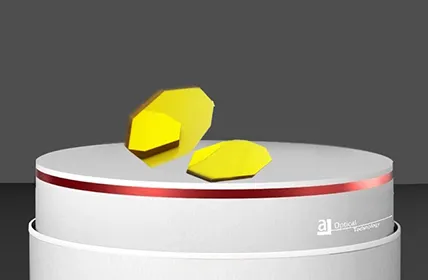
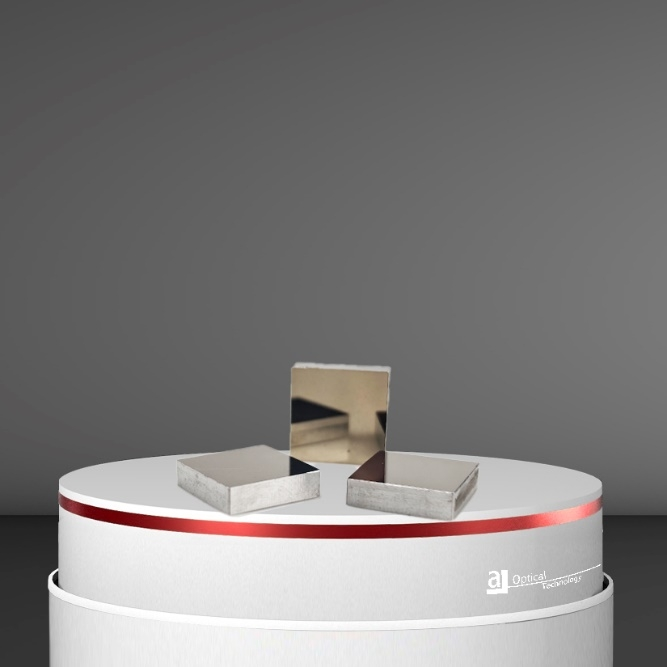
An optical mirror is far more than a simple reflective surface—in advanced optics, it must provide accurate, low-distortion reflection of light across specified wavelengths and angles. Unlike household mirrors, which often coat the back of glass, optical mirrors usually employ metallic or dielectric coatings on a substrate so that light is reflected directly from the front surface. This front-surface design eliminates ghost images and enhances precision. The substrate material, the coating type, surface flatness, and reflectivity all determine how well the mirror meets demanding optical system requirements, whether in imaging, beam steering, or illumination.
When standard mirrors don't suffice, custom optical mirrors offer the freedom to tailor every key parameter—size, coating, substrate—to the needs of the system. By specifying aperture, coating bandwidth, damage threshold, surface quality, and substrate thermal behavior, designers can integrate mirrors that match their optical train precisely. This customization reduces alignment errors, minimizes aberrations, and ensures optimal light routing under challenging conditions. In laser, scientific, aerospace, or metrology systems, these tuned mirrors become critical for maintaining beam quality, spectral purity, and system stability. The ability to design a mirror to match wavelength, angle, and environmental conditions turns what would be an optical compromise into a high-performance component.
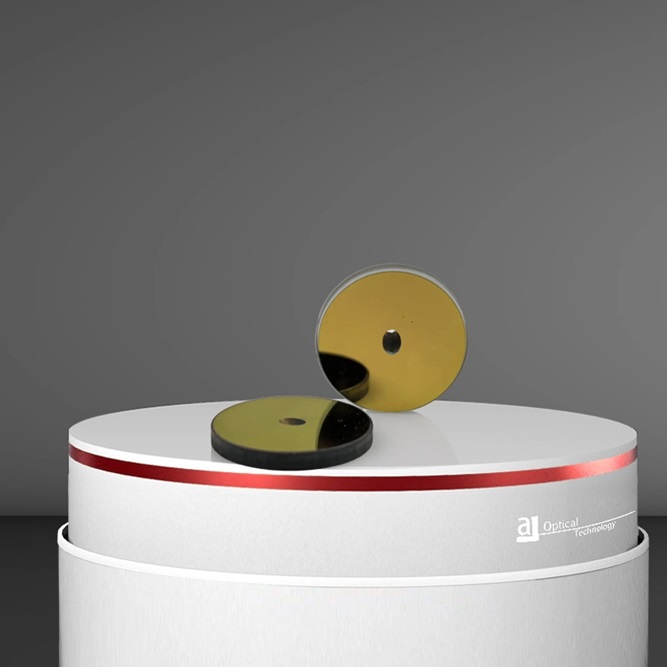
You may ask: in which fields are optical mirrors and custom optical mirrors indispensable? The answer spans many domains. In laser systems, mirrors must reflect and steer high-power beams with minimal absorption and distortion. In telescopes and astronomical instruments, mirrors form the backbone of collecting and focusing light from distant sources. In imaging systems and microscopes, mirrors redirect light paths in compact optical architectures. Infrared, UV, and spectroscopic systems often require mirrors with specialized coatings to reflect in those bands. Each application imposes unique performance demands—wavelength range, reflectivity, angle of incidence, thermal stability, and damage thresholds—that custom mirrors can fulfil more effectively than off-the-shelf options.
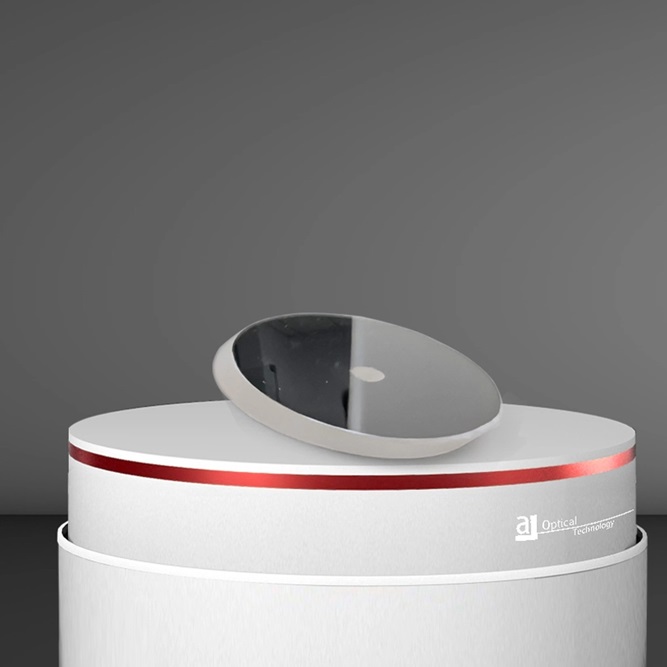
Selecting an effective optical mirror involves several critical parameters. Reflectivity across the intended wavelength band must be high, often achieved via metallic coatings (aluminium, silver, gold) or multi-layer dielectric stacks. Dielectric mirrors can reach extremely high reflectivity over narrow bands (sometimes > 99.9 %) using interference engineering. The substrate's thermal expansion coefficient is vital—matching it with the mount minimizes distortion under temperature changes. Surface flatness and wavefront error (often expressed in wavelengths, e.g., λ/10 or λ/20) control how much aberration is introduced. Coating durability, scattering, polarization effects, and damage threshold must align with the system's power and environmental conditions. Custom mirrors allow optimization of all these factors in a unified design to serve precise performance goals.
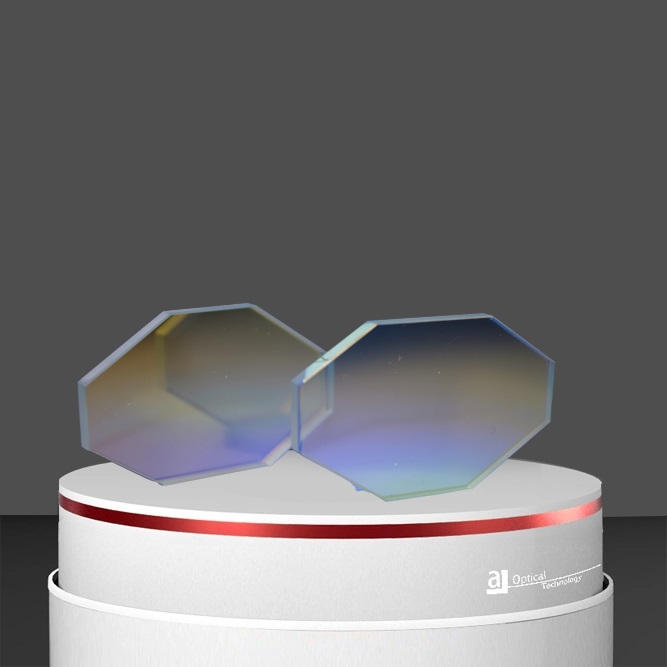
To fully realize the performance of a custom optical mirror, careful integration is essential. Mounts must prevent tilt, decentering, and stress that could distort the mirror surface. Thermal gradients or vibration must be managed to preserve alignment. Coated surfaces require protection from scratches, dust, and contamination—cleaning methods must avoid damage to delicate dielectric layers. During system testing, one should measure wavefront error, beam deviation, and reflectance to verify the mirror's performance in situ. Because custom mirrors are designed uniquely for an application, feedback from integration and iterative adjustment often yields the best results. Atoptik's optical mirror catalog and customization capabilities support these integration needs by offering high-precision substrates and coating options suited to diverse system requirements.