English
 中文
中文 日本語
日本語 한국어
한국어 français
 Deutsch
 Español
 italiano
 русский
 português
 العربية

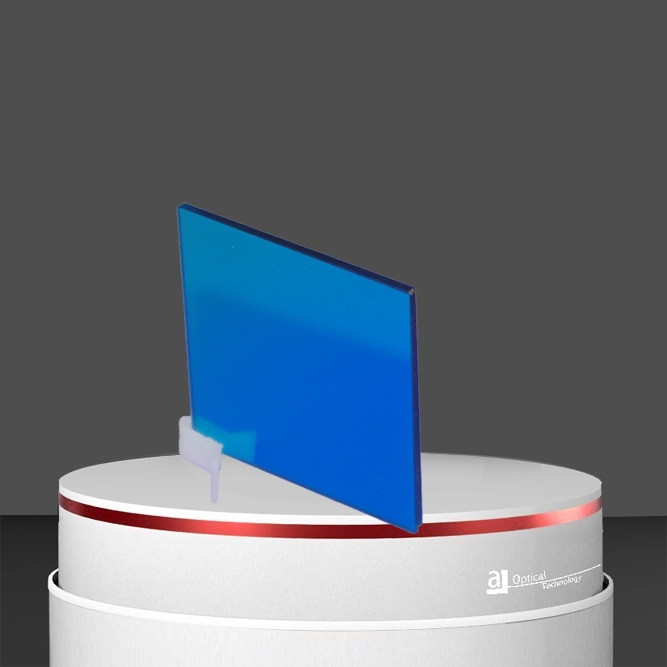
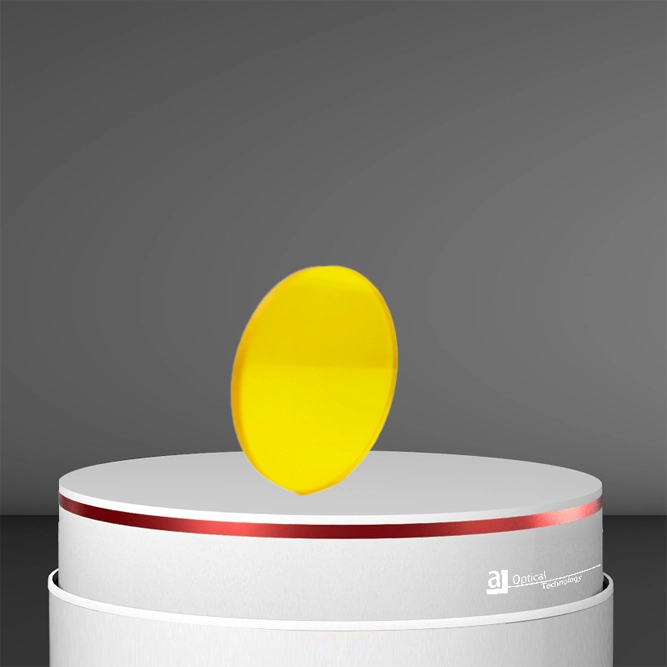
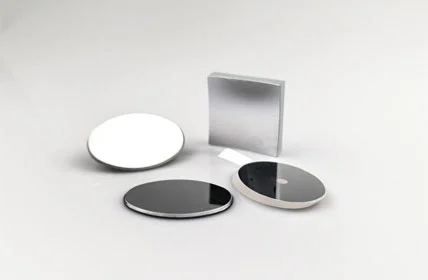
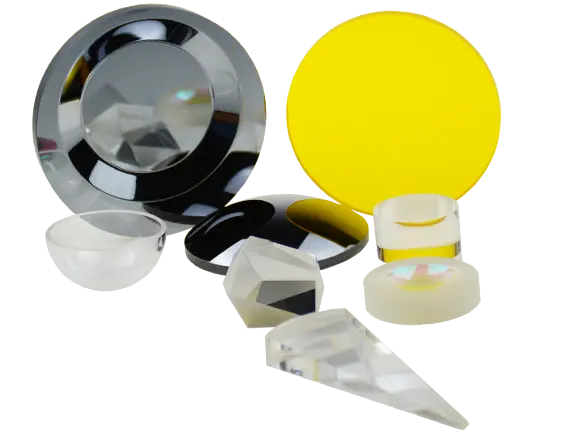
An optical filter is an optical component designed to transmit or block specific wavelengths of light selectively. It functions as a wavelength control tool that helps imaging systems capture only the light necessary for precise measurement or visualization. Filters are made from glass, quartz, or other transparent materials and coated with multilayer interference films that define their spectral transmission range. In machine vision, the right optical filter can eliminate unwanted light, suppress glare, and enhance contrast, allowing sensors and cameras to produce accurate and stable images. Whether it's an absorption filter, bandpass filter, or neutral density filter, each serves a unique role in controlling the optical spectrum to ensure the image quality meets the system's performance requirements.
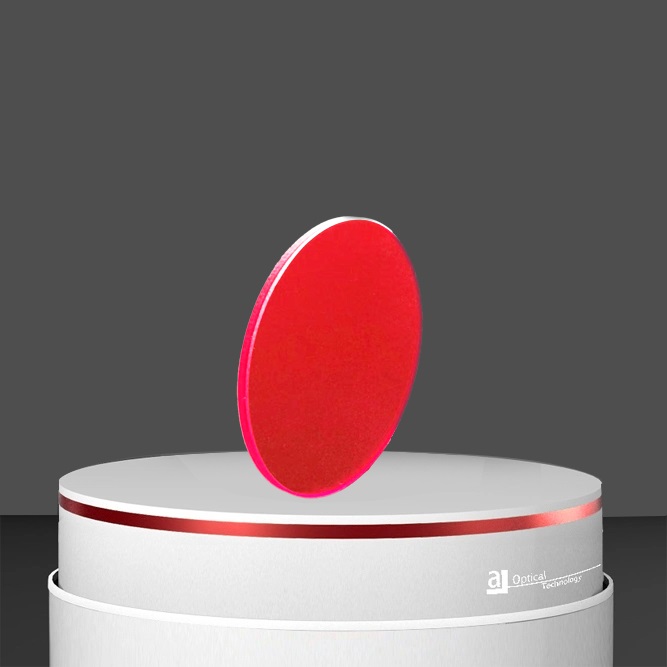
In machine vision applications, optical filters are indispensable for improving image clarity and system accuracy. Cameras and sensors often face interference from ambient light, reflections, or variable illumination. The optical filter acts as a selective barrier, passing only light of certain wavelengths while blocking the rest. For example, in color sorting systems, filters isolate specific color bands to improve recognition accuracy. In inspection systems, infrared or ultraviolet filters can highlight features invisible to the human eye. A precision optical filter offers even greater spectral control by maintaining tight tolerances in wavelength transmission and blocking levels. This ensures that the light entering the sensor is both pure and consistent, improving signal-to-noise ratio and measurement precision across industrial environments.
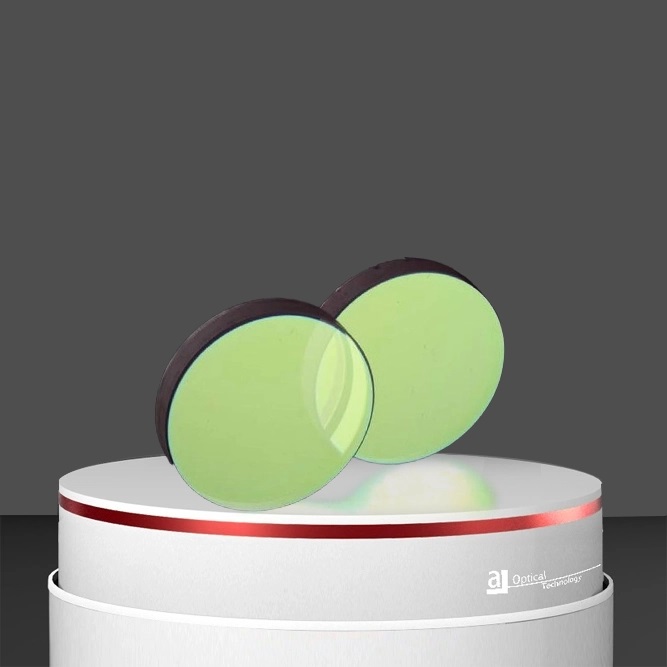
Choosing the ideal precision optical filter for machine vision requires a clear understanding of your optical setup and imaging goals. The first consideration is the wavelength range of interest—filters should match the light source spectrum or the target reflection/emission wavelength. The second factor is the filter type: bandpass filters transmit only a narrow range of wavelengths, longpass filters block shorter wavelengths, and shortpass filters do the opposite. Each serves different vision applications depending on illumination and detection needs. The filter's optical density, blocking range, and transmission efficiency determine how effectively it isolates signals from background noise. Moreover, filters should be designed to minimize angle sensitivity and maintain consistent spectral performance even under oblique illumination, which is common in industrial vision systems.
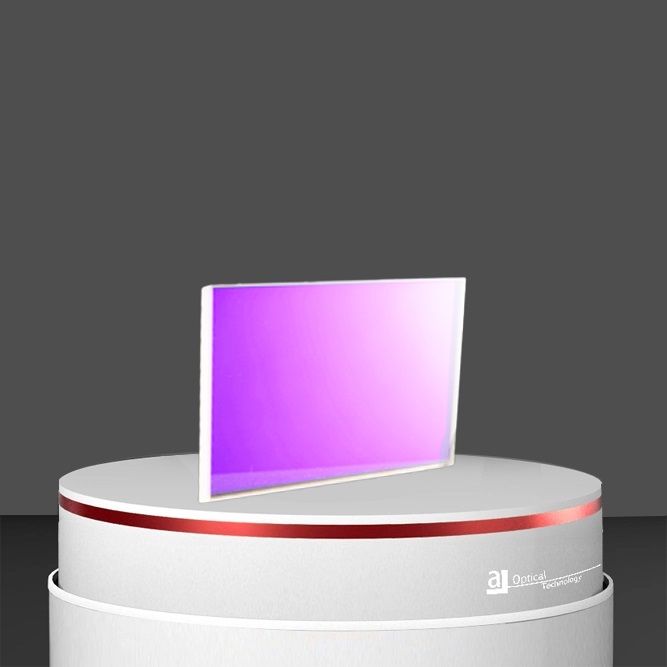
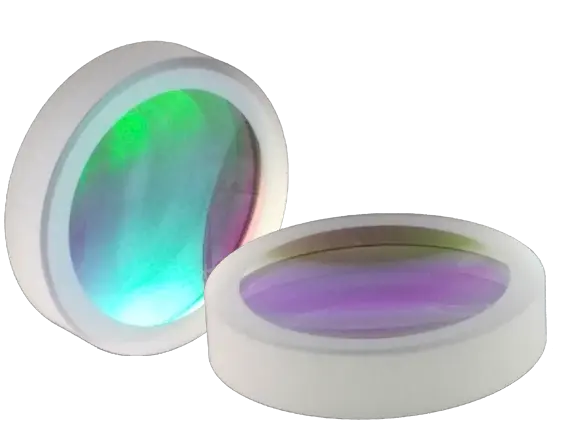
High-quality precision optical filters provide several key benefits for machine vision. They significantly enhance image contrast by filtering out stray light and improving differentiation between object features. Their multilayer dielectric coatings offer exceptional wavelength selectivity, high transmission within the passband, and deep blocking outside it. Precision filters also exhibit superior environmental stability—resisting humidity, temperature shifts, and mechanical stress—making them ideal for long-term industrial operation. In addition, they can improve camera dynamic range by reducing unwanted reflections and spectral overlap. When combined with proper illumination and sensor calibration, these filters help create a stable imaging environment that delivers consistent inspection accuracy and reliable automation results.
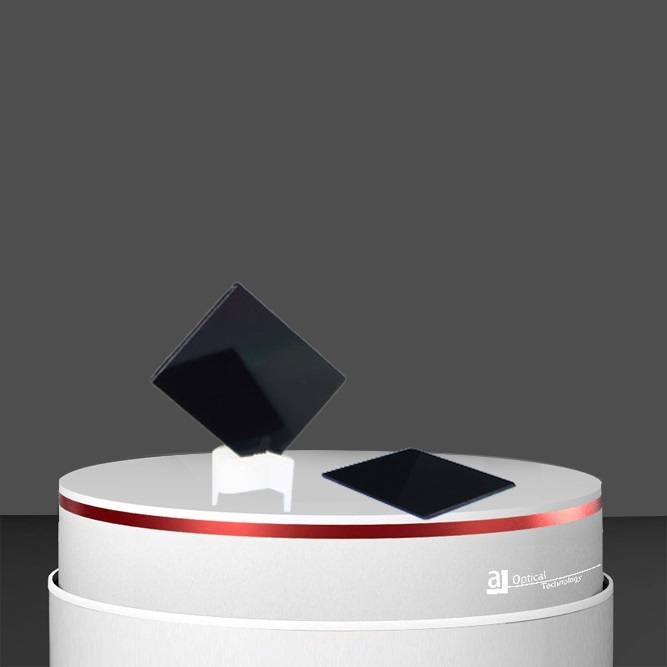
Integrating an optical filter or precision optical filter into a vision system requires careful alignment with the optical axis and the correct positioning relative to lenses or sensors. Filters are typically placed in front of the camera lens or within the optical housing to control the light path effectively. For narrowband filters, precise alignment is essential to avoid wavelength shift caused by incident angle variation. Filters must also be kept clean and free from fingerprints, dust, or scratches, as surface contamination can scatter light and degrade image quality. In high-speed inspection lines, using robust filter mounts ensures vibration resistance and long-term stability. Atoptical's wide range of optical and precision filters supports various machine vision configurations, offering designers flexibility to match spectral properties with system requirements and achieve optimal imaging results.