English
 中文
中文 日本語
日本語 한국어
한국어 français
 Deutsch
 Español
 italiano
 русский
 português
 العربية
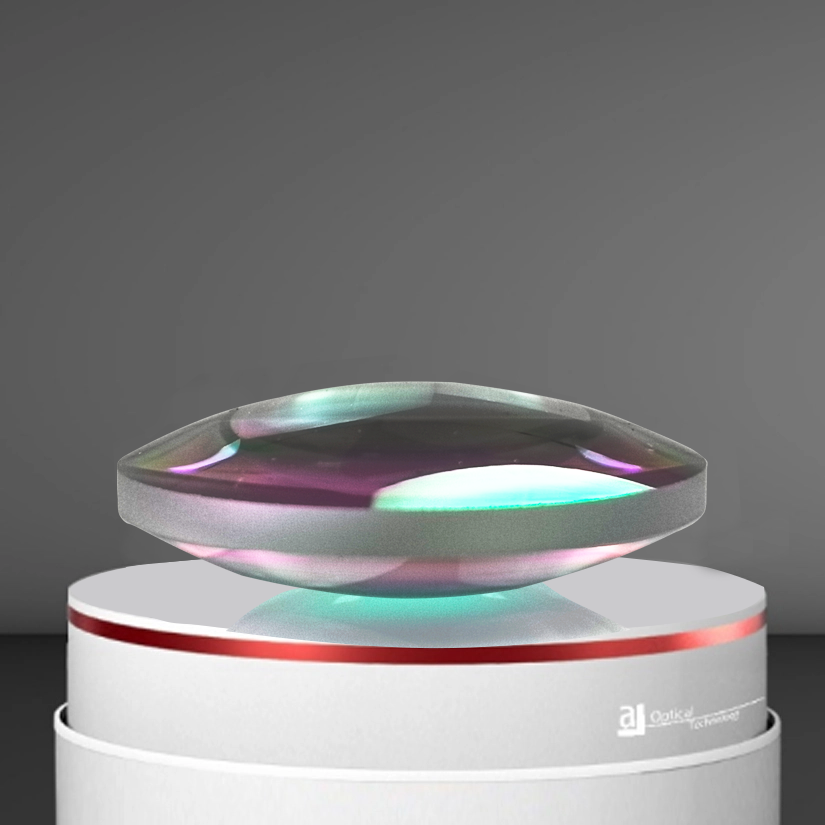
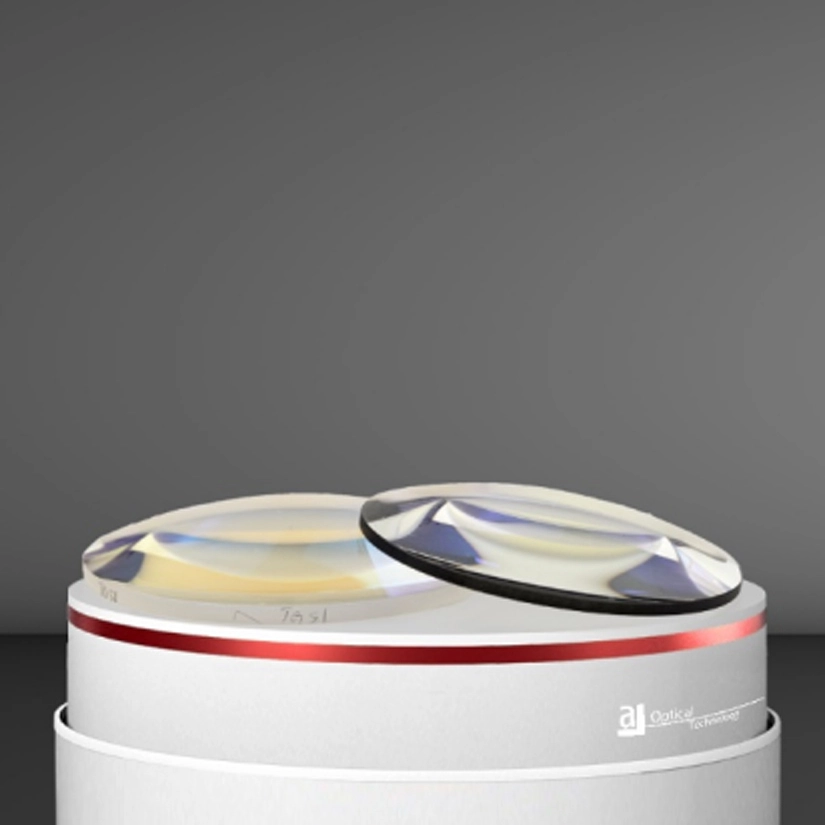
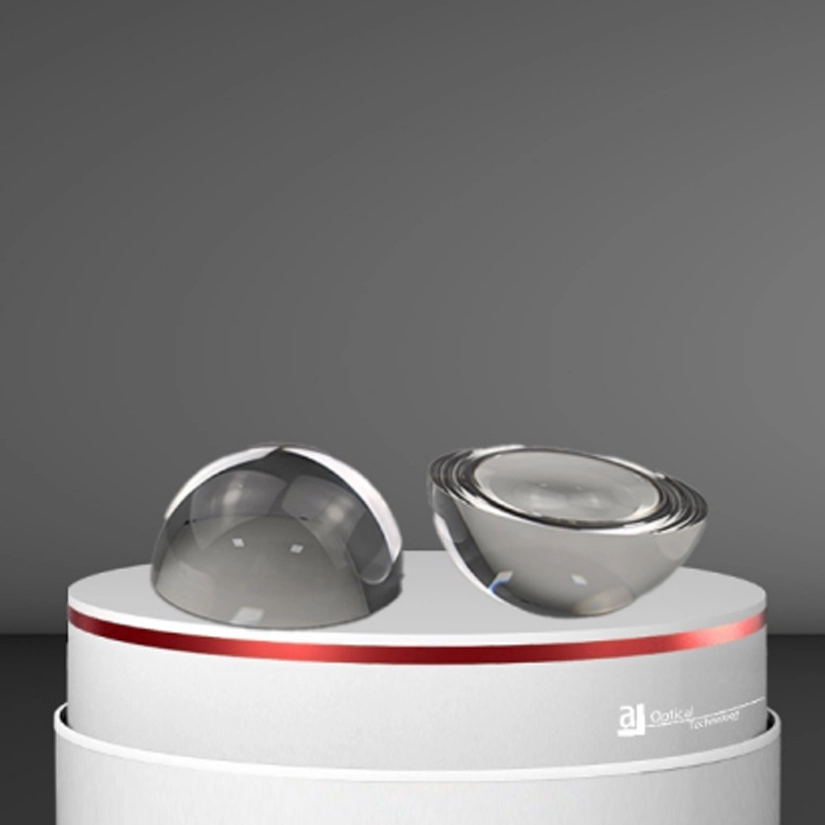
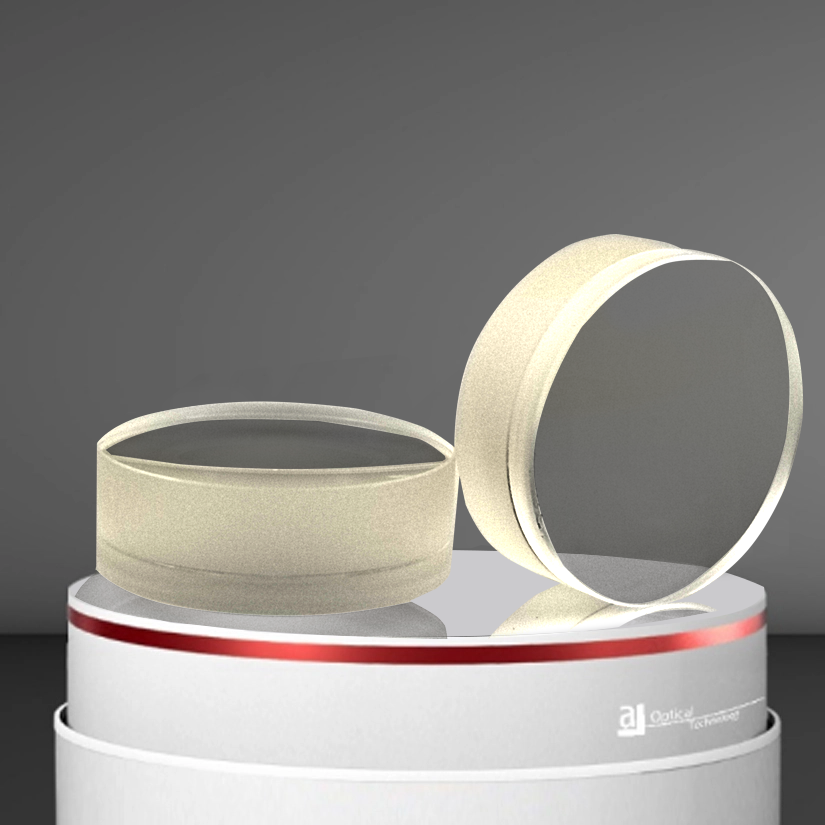
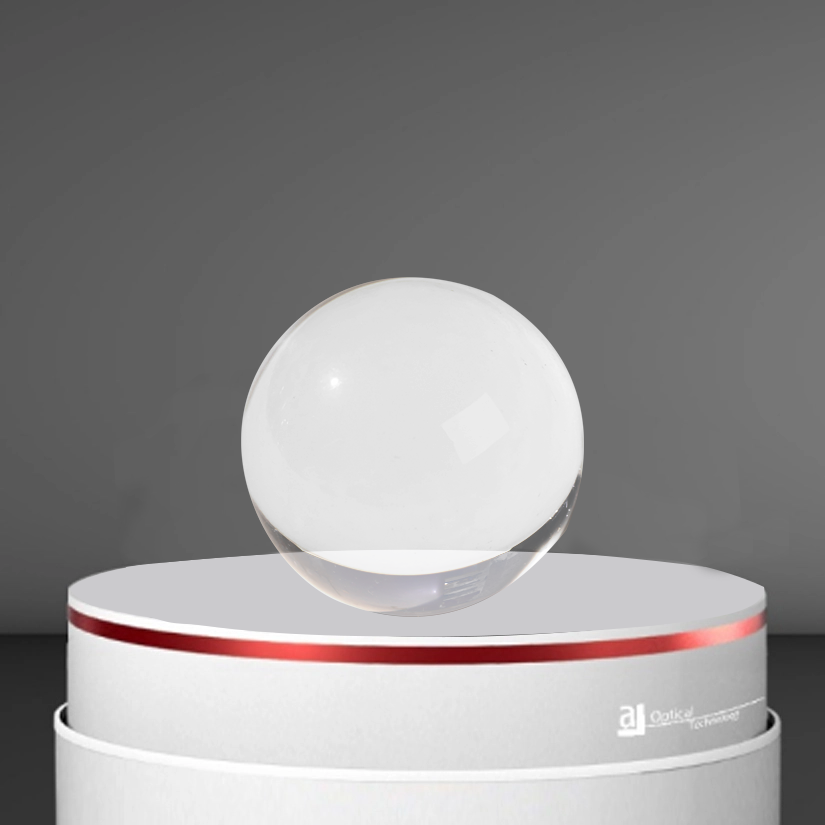
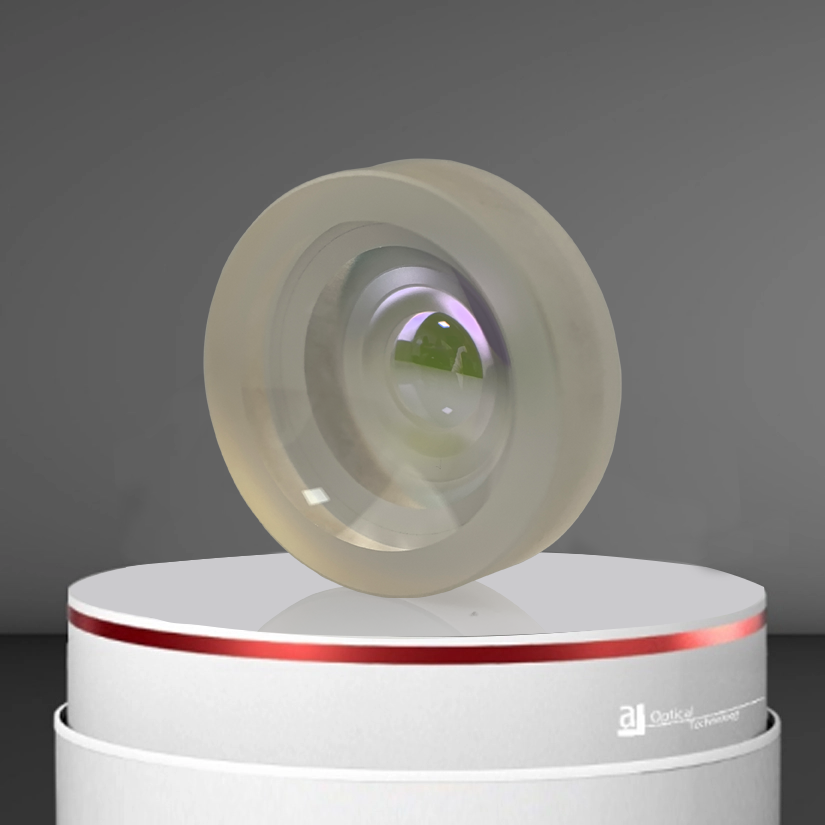
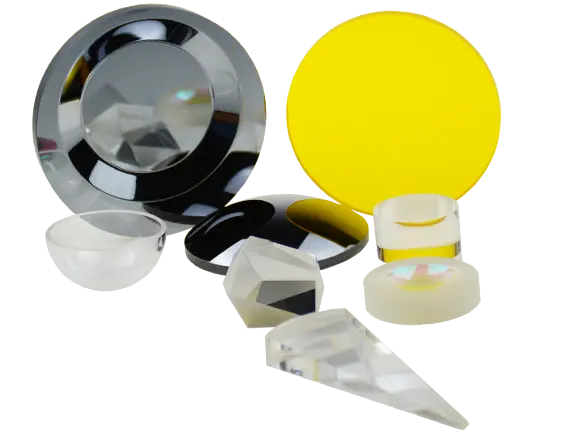
As a custom lens manufacturer, ATOPTIK manufactures custom double convex lenses for finite-conjugate imaging, image relay, laser focusing, machine vision and scientific instruments. Available in optical glass, fused silica, sapphire and other optical materials, each lens can be customized by diameter, focal length, surface accuracy, centration and anti-reflection coating to match your optical system.
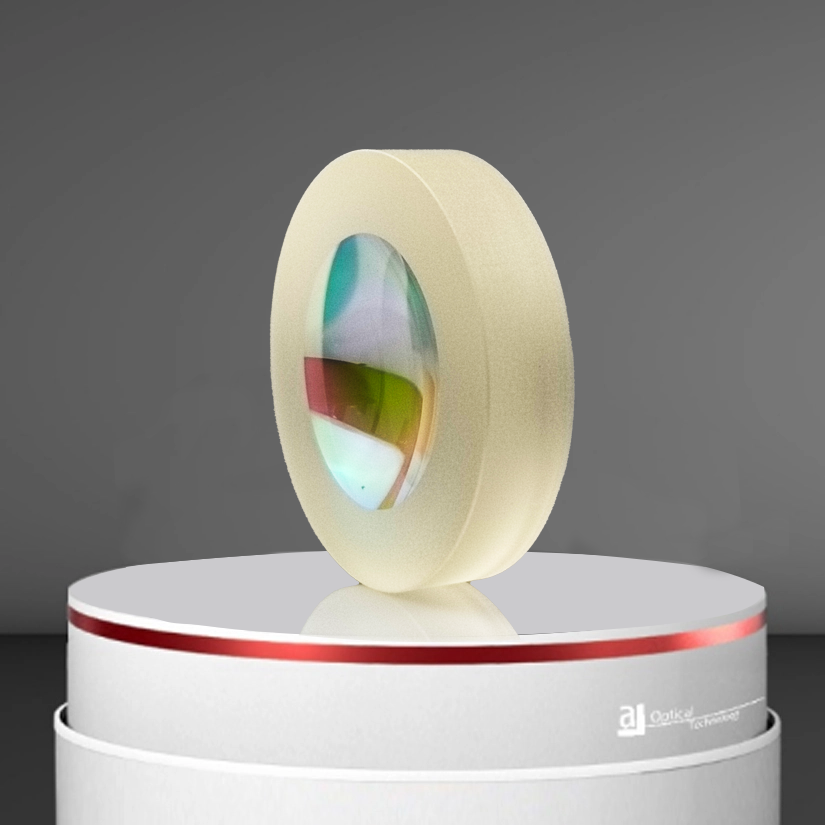
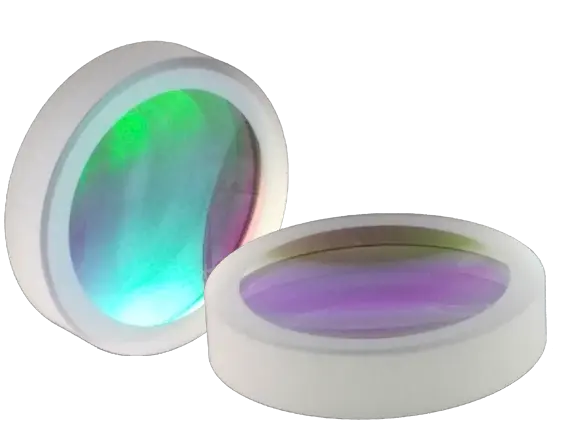
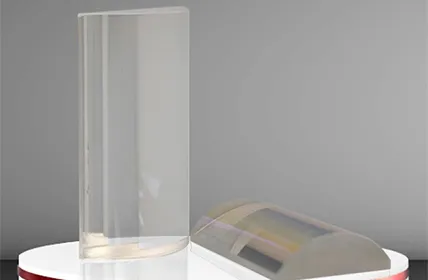
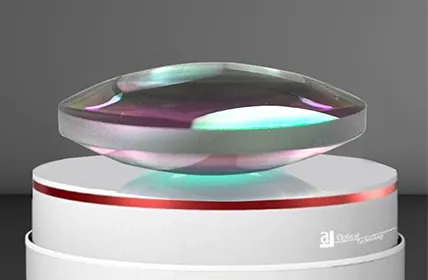
A double convex lens, also called a bi-convex lens, has two outward-curved spherical surfaces and positive optical power. It converges incident light and is commonly used in finite-conjugate imaging where both the object and image are located at finite distances.
A symmetrical double convex lens is especially useful when the object and image distances are relatively similar. When one conjugate is much longer than the other, a plano-convex or differently bent positive lens may provide better aberration control.
ATOPTIK's double convex lens is a common and essential optical component widely used in optical imaging, laser focusing, beam collimation, fiber coupling, and applications in medical, industrial, and scientific research.
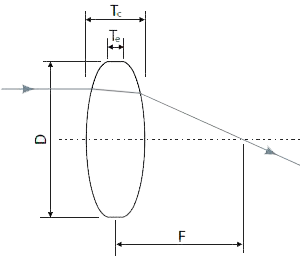
| Specifications | Normal | High Precision | Mfg. Limit |
| Material | Optical glass | Optical glass | Optical glass |
| Diameter Tolerance | +0/-0.1mm | +0/-0.05mm | +0/-0.01mm |
| Thickness Tolerance | +/-0.1mm | +/-0.05mm | +/-0.01mm |
| Focal Length Tolerance | +/-2% | +/-1% | +/-0.5% |
| Centeration | 3 arc min | 1 arc min | 10 arc sec |
| Surface Quality | 60-40 | 40-20 | 10-5 |
| Surface Figure | 3 Iambda | 2 lambda | 1 lambda |
| Surface Irregularity | 1/4 lambda | 1/10 lambda | 1/20 Iambda |
| Clear Aperture | >80% | >90% | 100% |
| Bevel | +/-0.2*45 degree | +/-0.1*45 degree | +/-0.05*45degree |
The double convex lens has convex surfaces on both sides with a fixed focal length, effectively focusing incident light to a point and reducing beam dispersion.
Ideal for light convergence and optical imaging, especially in short- and mid-focus optical systems.
Precision manufacturing ensures low aberration and high-resolution imaging, with surface quality reaching 40/20 or higher, providing excellent smoothness and clarity.
Outstanding surface accuracy and optical performance minimize light loss and scattering in the optical path.
Available in different optical materials based on application needs, including BK-7 optical glass, fused silica, and sapphire.
BK7 is suitable for visible and near-infrared (VIS-NIR) applications, fused silica supports a wide spectral range from UV to NIR, and sapphire offers exceptional mechanical strength and heat resistance in harsh environments.
Custom anti-reflection (AR) coatings can be applied to the lens surface to reduce reflection losses and enhance transmission efficiency, with common coating ranges such as 400-700 nm, 1064 nm, and 1310/1550 nm.
Suitable for laser systems, optical instruments, optical communications, and other applications sensitive to light loss.
Optical material selection affects transmission, refractive index, dispersion, thermal stability, mechanical durability and manufacturing cost.
| Material | Main Advantages | Typical Application Direction |
| BK7-Type Optical Glass | Cost-effective visible performance and stable optical properties | Imaging, machine vision, instruments and general prototypes |
| Fused Silica | Good UV transmission, low thermal expansion and high thermal stability | UV imaging, lasers, semiconductor equipment and scientific instruments |
| Sapphire | High hardness, mechanical strength and resistance to demanding environments | Aerospace, sensing and harsh-environment optical assemblies |
| Special Optical Glass | Selectable refractive index and dispersion | Compact imaging and application-specific optical systems |
The material grade should be selected according to the operating wavelength, temperature range, required homogeneity and environmental conditions.
| Comparison | Double Convex Lens | Plano-Convex Lens |
| Surface Shape | Two convex surfaces | One convex and one flat surface |
| Best-Fit Conjugates | Object and image distances are relatively similar | One conjugate is significantly longer |
| Typical Use | Finite imaging, image relay and magnification | Focusing or collimating near-collimated light |
| Main Design Inputs | Object distance, image distance and magnification | Beam direction and focal distance |
| Orientation | Often used in a relatively symmetrical layout | Curved-surface orientation is important |
Lens performance depends on both nominal design and manufacturing control. ATOPTIK can evaluate dimensional, surface, centration and coating requirements according to the agreed acceptance criteria.
Available documentation may include dimensional reports, surface test results, coating spectral data and customer-specified inspection records, subject to project agreement.
A double convex lens is commonly used for finite imaging when object and image distances are relatively similar. A plano-convex lens is often selected when one conjugate is much longer, such as focusing collimated light.
Yes. Broadband visible, laser-line, communication-band and project-specific AR anti reflective coatings can be evaluated. Please provide substrate, wavelength, angle of incidence and reflectance requirements.
Yes. ATOPTIK can review customer drawings or optical prescriptions covering material, diameter, radii, center thickness, focal length, surface quality, centration, coating and quantity. Final feasibility depends on the complete lens design.
Published material options include optical glass, fused silica and sapphire. Special optical glass or other substrates may also be evaluated according to wavelength, refractive index, dispersion, thermal behavior and availability.
A 38mm double convex lens can be evaluated according to clear aperture, focal length, surface radii, center thickness, material, coating and edge configuration. Send the drawing or system requirements for manufacturability review.
If you would like to build your own precision optical products or request a quote, please click one of the two buttons below. Otherwise, please fill out the form below with any questions or concerns.
Address
B3 Shengshi Shengshi Industrial Park,Auto-ETDZ, Changchun, Jilin, China
Call Us